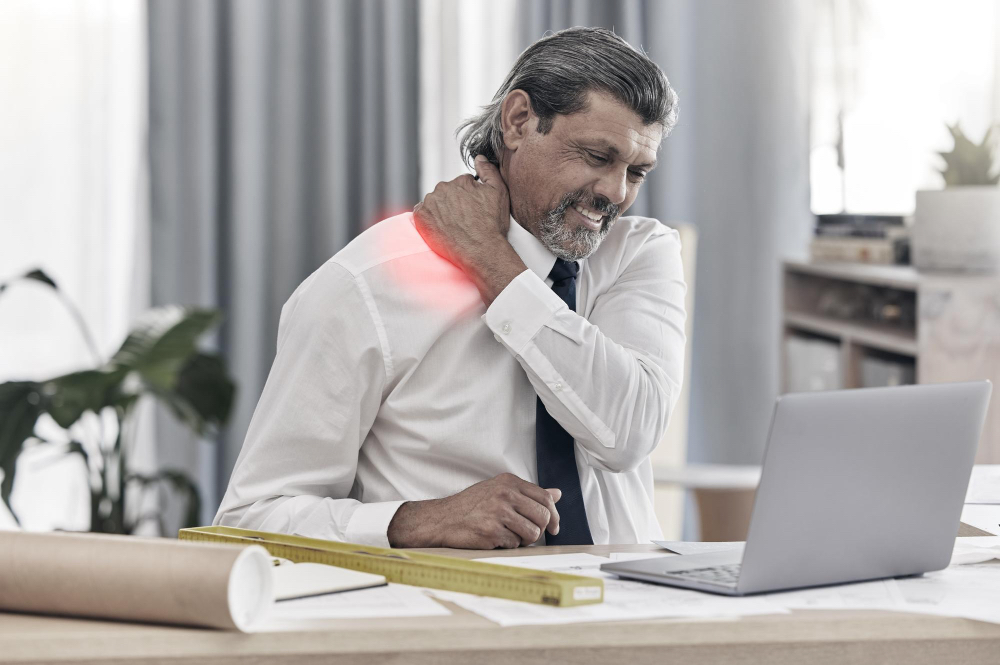
Comprehensive pain management takes a whole-patient approach to diagnosing and treating pain. Rather than focusing on symptoms alone, care is directed toward identifying underlying pain generators and addressing them through thoughtful, coordinated treatment strategies.
This approach is designed to support patients experiencing both acute and chronic pain while minimizing unnecessary procedures and medication dependence.
Comprehensive pain management is designed to help patients:
Reduce pain while preserving daily function
Address contributing musculoskeletal, neurologic, and systemic factors
Improve mobility, strength, and activity tolerance
Minimize reliance on long-term or high-risk medications when possible
Support recovery, safety, and overall quality of life
Comprehensive pain management may support patients experiencing:
Chronic musculoskeletal pain
Spine-related pain and degenerative conditions
Joint, tendon, or soft tissue pain
Nerve-related pain or sensitization
Cancer-related pain
Post-injury or post-surgical pain
Pain affecting daily activity, sleep, or rehabilitation
Evaluation focuses on identifying overlapping contributors to pain before treatment is initiated.
Treatment plans are individualized based on clinical evaluation, history, and functional needs. One or more of the following approaches may be incorporated.
The conservative whole patient method emphasizes understanding the full clinical picture rather than treating pain in isolation. This approach considers physical function, medical history, movement patterns, and contributing factors that influence pain perception and recovery.
Care is guided by careful assessment and aims to support long-term stability and functional improvement.
Cancer-related pain requires a thoughtful and compassionate approach focused on comfort, dignity, and quality of life. Management may include targeted nerve-based treatments, carefully monitored medication strategies, and supportive therapies designed to maintain mobility and daily function.
Treatment plans are individualized and coordinated with the broader medical care team when appropriate.
Medication remains an important component of pain care when used thoughtfully. Treatment may include:
Preventive or maintenance medications when appropriate
Short-term therapies for pain flares or breakthrough symptoms
Medication optimization to reduce side effects or long-term risk
All medication plans are individualized and regularly reassessed to ensure safety, effectiveness, and alignment with treatment goals.
Whenever possible, pain management emphasizes non-opioid strategies to reduce risk while supporting effective symptom control. This approach prioritizes conservative treatments, targeted therapies, and functional rehabilitation before considering opioid-based medications.
If opioids are required, they are prescribed cautiously and monitored closely.
Physical therapy plays an important role in comprehensive pain care. Customized therapy recommendations focus on restoring strength, mobility, and movement patterns that contribute to pain reduction and injury prevention.
Therapy plans are guided by diagnosis, functional limitations, and individual goals.
Functional rehabilitation focuses on helping patients safely return to daily activities, work demands, and physical tasks. Care emphasizes improving tolerance to movement, reducing compensatory strain, and supporting sustainable recovery rather than short-term symptom suppression.
Rehabilitation strategies are often coordinated with other treatment modalities.
Non-pharmacological therapies are integrated to support pain control and recovery without relying solely on medications. These modalities may help reduce inflammation, muscle tension, or nervous system sensitivity and are selected based on individual presentation.
They are commonly used alongside medical and rehabilitative treatments for a balanced care approach.
During a comprehensive pain management visit, the physician will:
Review symptoms, medical history, and prior treatments
Evaluate functional limitations and contributing pain sources
Identify overlapping musculoskeletal or neurologic factors
Discuss appropriate conservative treatment options
Develop a clear, individualized plan of care
The goal is clarity, appropriate treatment selection, and a structured path forward.
You may benefit from comprehensive pain management if:
Pain persists despite initial treatment
Symptoms involve multiple body regions or systems
Pain interferes with daily activities, work, or sleep
You want a conservative, coordinated approach
You need support managing complex or chronic pain
Early evaluation can help prevent pain from becoming more difficult to manage over time.
Patients choose our practice because we emphasize:
Physician-led evaluation and coordinated treatment planning
A conservative, whole-patient approach to complex pain conditions
Careful identification of overlapping musculoskeletal, neurologic, and systemic contributors
Thoughtful use of medications, procedures, and rehabilitation based on clinical need
Integration of multiple therapies into a clear, individualized care strategy
Our focus is on appropriate, evidence-informed pain management designed to improve function and quality of life, not one-size-fits-all treatment.
Is comprehensive pain management only for chronic pain?
No. It may be helpful for both acute and chronic pain, particularly when multiple factors contribute to symptoms.
Does this approach replace injections or procedures?
Not necessarily. Comprehensive pain management often integrates procedures, medications, and rehabilitation when appropriate.
Are treatment plans the same for everyone?
No. Every plan is individualized based on diagnosis, function, and response to prior care.
If pain is affecting your comfort, mobility, or quality of life, a comprehensive evaluation can help clarify the cause and appropriate treatment options.
Contact the office to schedule an appointment and discuss a conservative, personalized pain management plan.
351 Hospital Road, Suite 411
Newport Beach, CA 92663
Patient experiences reflect our commitment to compassionate, personalized pain care. Our Google reviews highlight thoughtful listening, thorough evaluations, and treatment plans focused on meaningful, long-term relief.
Posted onTrustindex verifies that the original source of the review is Google. It’s hard to describe how grateful I am for having found Dr. Gluzman and his genuinely caring and professional staff. I walked into his office one year ago with pain so terrible for the past 30 years that I had been forced to retire because of it. I was in tears as I described what I had been going through with other doctors who dismissed my pain as “fibromyalgia “ (the pain was behind my right hip only, to the point that it was nearly impossible to sit and sleeping was out of the question..definitely not fibro) Dr. G identified the issue almost immediately and laid out a plan for recovery. He won’t sugarcoat it, you have to do the work and the follow up. Miraculously, I am fully functional today and able to enjoy my grandkids. Thank you Dr. Gluzman and staff!Posted onTrustindex verifies that the original source of the review is Google. I can’t say enough good things about Dr Gluzman and his team. He takes the time to listen and genuinely cares about you and understands the complexity of chronic pain. Highly recommend him and his team!Posted onTrustindex verifies that the original source of the review is Google. Dr. Gluzman took excellent care of me. He listens to his patients - this is very good important. The office staff is also very friendly.Posted onTrustindex verifies that the original source of the review is Google. So let me start by saying Dr gluzman and his staff is amazing. Dr. Guseman Took his time and he was very patient listening to my complaints of pain. He did a complete thorough in examination and was a joy to be around. I was extremely nervous about getting an epidural and his manager calls me on her off time to make sure that I was comfortable with this procedure. Who does that? I can truly say I have never gone to a doctors office where they entire staff was so determined to make me feel so comfortable during my visits. I truly felt I was the most important patient they ever treated. This office should be a model for others to follow. Jeannie RabidouPosted onTrustindex verifies that the original source of the review is Google. With just one visit Dr. Gluzman diagnosed my issue & recommended treatment. Once I received his recommended treatment my issue was resolved. Dr. Gluzman is a very caring physician. I’d give him 10 stars if I could.Posted onTrustindex verifies that the original source of the review is Google. Dr. Gluzman is a real joy to visit! I feel fortunate to have been referred to him by Dr. Yanni. If you have back pain issues...these are you best choice...Thank You Dr. Gluzman for your attention and service!!!Posted onTrustindex verifies that the original source of the review is Google. The best !!!!!!!!!!Posted onTrustindex verifies that the original source of the review is Google. Dr. Gluzman listens and is thorough. He makes himself available to address pain concerns and looks to discover the root cause of the pain. His office staff is exceptional! They are helpful, kind, cheerful, and patient.Posted onTrustindex verifies that the original source of the review is Google. Dr Gluzman's care has changed my life. He's treated my back, neck and arthritic hand pain that I otherwise thought I'd have to live with the rest of my life. (Pain that at times was an 11 on a 1-10 scale). Dr Gluzman listens, he's extremely knowledgeable and compassionate. Office staff is personable,knowledgeable and efficient.
We accept most major insurance plans to make high-quality, physician-led pain care accessible, affordable, and convenient for patients.









20280 SW Acacia St. Suite 368.
Newport Beach, CA 92660
949.642.0042
949.642.0043
Dr. Gluzman offers telemedicine appointments to provide flexible, physician-led care for patients with busy schedules. He understands the challenges of balancing health, work, and family, and offers secure virtual visits when an in-person appointment is not required.
Morning, afternoon, and evening appointments
info@newportpainmd.com