
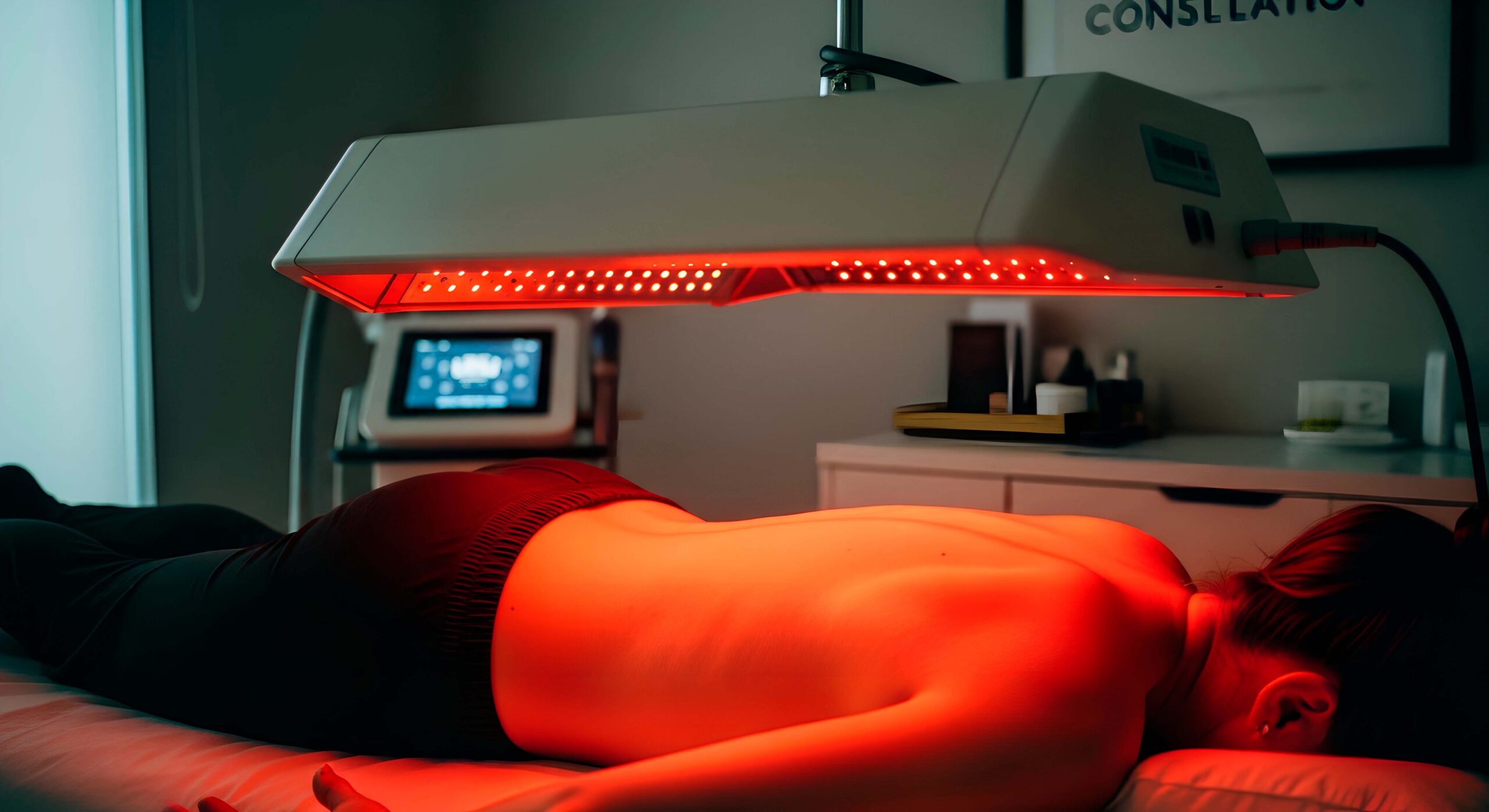
As pain management continues to evolve, patients are increasingly seeking non-invasive, drug-free treatments that support healing and improve function. One such option gaining clinical attention is red light therapy (RLT)—a form of photobiomodulation that uses specific wavelengths of light to stimulate cellular processes and reduce pain.
In this blog, we explore how red light therapy works, its benefits in pain management, and why this emerging technology may be right for patients looking for alternatives to traditional treatments.
What Is Red Light Therapy?
Red light therapy delivers low-level wavelengths of red and near-infrared light to tissues through specialized light panels or handheld devices. Unlike lasers used for cutting or tissue ablation, RLT uses non-thermal light that does not heat or damage tissue. Instead, it interacts with cells at a biochemical level to promote healing and reduce inflammation.
Originally developed for wound healing and skin conditions, red light therapy is now being used in clinical settings to address a wide range of musculoskeletal pain concerns.
How Red Light Therapy Works
At the cellular level, red light therapy targets mitochondria—the “powerhouses” of cells. Specific wavelengths of light help enhance mitochondrial function, which can:
- Increase cellular energy (ATP) production
- Reduce oxidative stress and inflammation
- Support tissue repair and regeneration
- Improve circulation and blood flow
These mechanisms help the body activate its own healing processes, making RLT a promising tool for managing pain and functional limitations.
Pain Management Benefits of Red Light Therapy
Red light therapy has been studied for various painful conditions, and patients may experience benefits such as:
1. Reduced Inflammation
Chronic inflammation is a root cause of many types of pain. By reducing pro-inflammatory signaling, RLT may help ease discomfort and swelling in joints, tendons, and soft tissues.
2. Accelerated Healing of Muscles and Connective Tissue
Whether you’re recovering from an injury or dealing with wear-and-tear conditions like tendinopathy, red light therapy may support tissue repair and improve functional outcomes.
3. Improved Circulation
Enhanced blood flow delivers oxygen and nutrients more effectively, which may speed recovery and support healthier tissue environments.
4. Pain Relief Without Drugs
For individuals who want to reduce reliance on pain medications or avoid potential side effects from injections or systemic drugs, RLT offers a non-pharmacologic alternative.
5. Versatility and Ease of Use
Red light therapy can be administered in a clinic with professional equipment and protocols—or, where appropriate, through take-home devices that patients can use under guidance.
Conditions Commonly Treated with Red Light Therapy
Red light therapy has been used as part of multimodal care for conditions such as:
- Arthritis and joint pain
- Back and neck pain
- Tendon and ligament injuries
- Muscle strains
- Chronic inflammation
- Fibromyalgia and soft-tissue discomfort
While research continues to grow, early clinical outcomes and patient-reported results point to meaningful improvements in pain and function for many individuals.
What to Expect from Treatment
Red light therapy sessions are typically:
- Painless and non-invasive
- Short in duration (often 10–20 minutes per area)
- Performed in a comfortable clinic setting
Patients can usually return to regular activities immediately after treatment. Multiple sessions over several weeks are often recommended to achieve optimal results, depending on the condition being treated.
A Complement to Comprehensive Pain Care
Red light therapy is most powerful when used as part of a multimodal pain management plan that includes physical therapy, lifestyle strategies, ergonomic support, and individualized medical care. It’s not a cure-all but adds a valuable, evidence-informed option to support patients’ healing journeys.
The Takeaway
Red light therapy is an exciting and patient-friendly tool in modern pain management—offering pain relief, support for healing, and improved function without surgery or medications. As research and clinical experience expand, so too does the role of photobiomodulation in helping patients live more active, comfortable lives.
If you’re curious whether red light therapy could be helpful for your pain, our team can walk you through the science, expected outcomes, and how it fits into a personalized care plan.