
In recent years, Platelet-Rich Plasma (PRP) therapy has gained widespread attention in the world of pain management and regenerative medicine. Athletes, weekend warriors, and patients with chronic pain are increasingly turning to this innovative treatment to help reduce pain, promote healing, and improve function—often without surgery or long-term medication use.
What Is PRP?
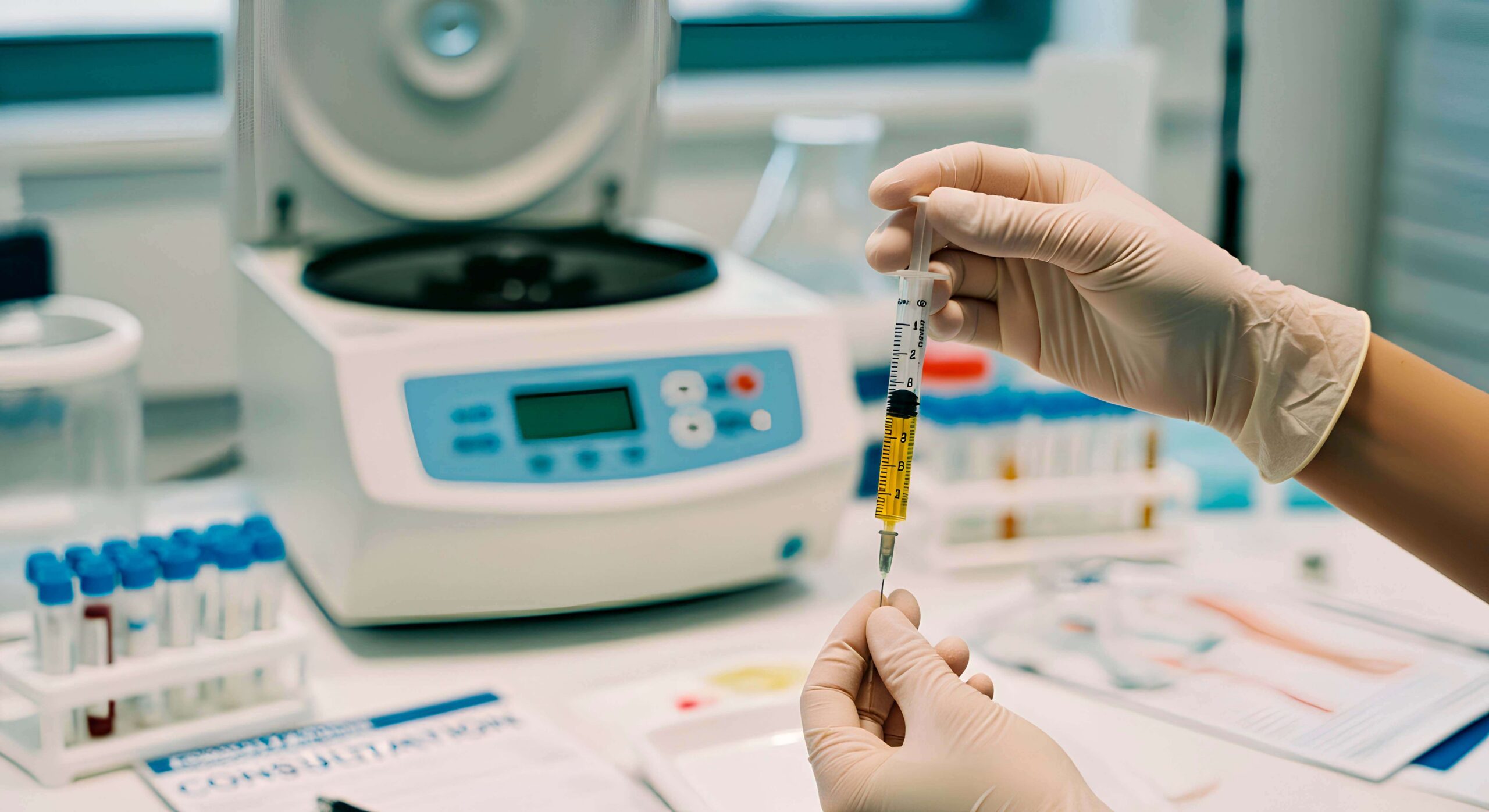
PRP is a biologic therapy derived from a patient’s own blood. After a simple blood draw, the sample is spun in a centrifuge to concentrate platelets—tiny cells involved in healing and tissue repair. This concentrated platelet-rich portion is then injected into the injured or painful area using image guidance (like ultrasound) to enhance precision.
Because PRP comes from your own body, the risk of allergic reactions or rejection is extremely low.
How PRP Works: Enhancing the Body’s Natural Healing
Platelets are rich in growth factors and signaling proteins that help regulate inflammation, stimulate tissue repair, and support blood vessel formation. When concentrated and delivered directly to a site of injury or degeneration, PRP may:
- Modulate inflammation associated with chronic pain
- Stimulate cellular repair and regeneration in tendons, ligaments, and joints
- Enhance collagen synthesis to improve tissue strength and resilience
- Support local blood flow to accelerate healing
PRP does not act like a pain-killer; instead, it helps create an environment that encourages your body’s own healing processes.
Conditions Commonly Treated With PRP
PRP therapy has shown benefit in a variety of musculoskeletal and orthopedic conditions, including:
- Tendinopathies (e.g., tennis elbow, Achilles tendon pain)
- Osteoarthritis of the knee, hip, shoulder, or other joints
- Ligament injuries and strains
- Muscle tears and chronic soft-tissue pain
- Bursitis and chronic inflammation
Numerous clinical studies have demonstrated improved pain scores and function after PRP treatment—especially for conditions where traditional therapies have offered limited relief.
Benefits Over Traditional Approaches
PRP offers several advantages that make it appealing to patients and providers alike:
✔ Non-surgical and minimally invasive: No incisions, anesthesia, or extended downtime
✔ Low risk of side effects: Uses your own blood, lowering the risk of immune reactions
✔ Targets repair, not just symptoms: Encourages healing at the tissue level
✔ Potential to slow degeneration: May improve long-term joint health for some patients
✔ Can reduce reliance on pain medications: Particularly valuable for patients avoiding long-term NSAIDs or opioids
These attributes make PRP especially useful for active adults, patients with chronic injuries, and individuals seeking alternatives to surgery.
What Patients Can Expect
PRP therapy is typically performed in an outpatient setting. The process usually involves:
- Blood draw: A small amount of your blood is taken
- Processing: The sample is centrifuged to concentrate platelets
- Injection: Platelet-rich plasma is injected into the target area using ultrasound or fluoroscopic guidance
- Recovery: Most patients return to normal activities quickly, with individualized post-procedure activity recommendations
While many patients start to feel improvements within a few weeks, optimal results can take several weeks to months as the healing response unfolds.
A Complement to Comprehensive Pain Management
PRP therapy is most effective when integrated into a multimodal treatment plan that may include physical therapy, activity modification, bracing, and lifestyle strategies. It’s not a cure-all—but for many patients who haven’t responded to traditional care, PRP offers a promising option grounded in regenerative science.
The Bottom Line
Platelet-Rich Plasma therapy represents a major advance in how pain specialists approach musculoskeletal pain and dysfunction. By harnessing the healing potential of your own body, PRP provides a non-surgical, biologically driven option that can reduce pain and improve quality of life.
If you’re considering PRP therapy or want to learn whether it’s appropriate for your condition, our team is here to answer your questions and help create a personalized pain care strategy tailored to your needs.