
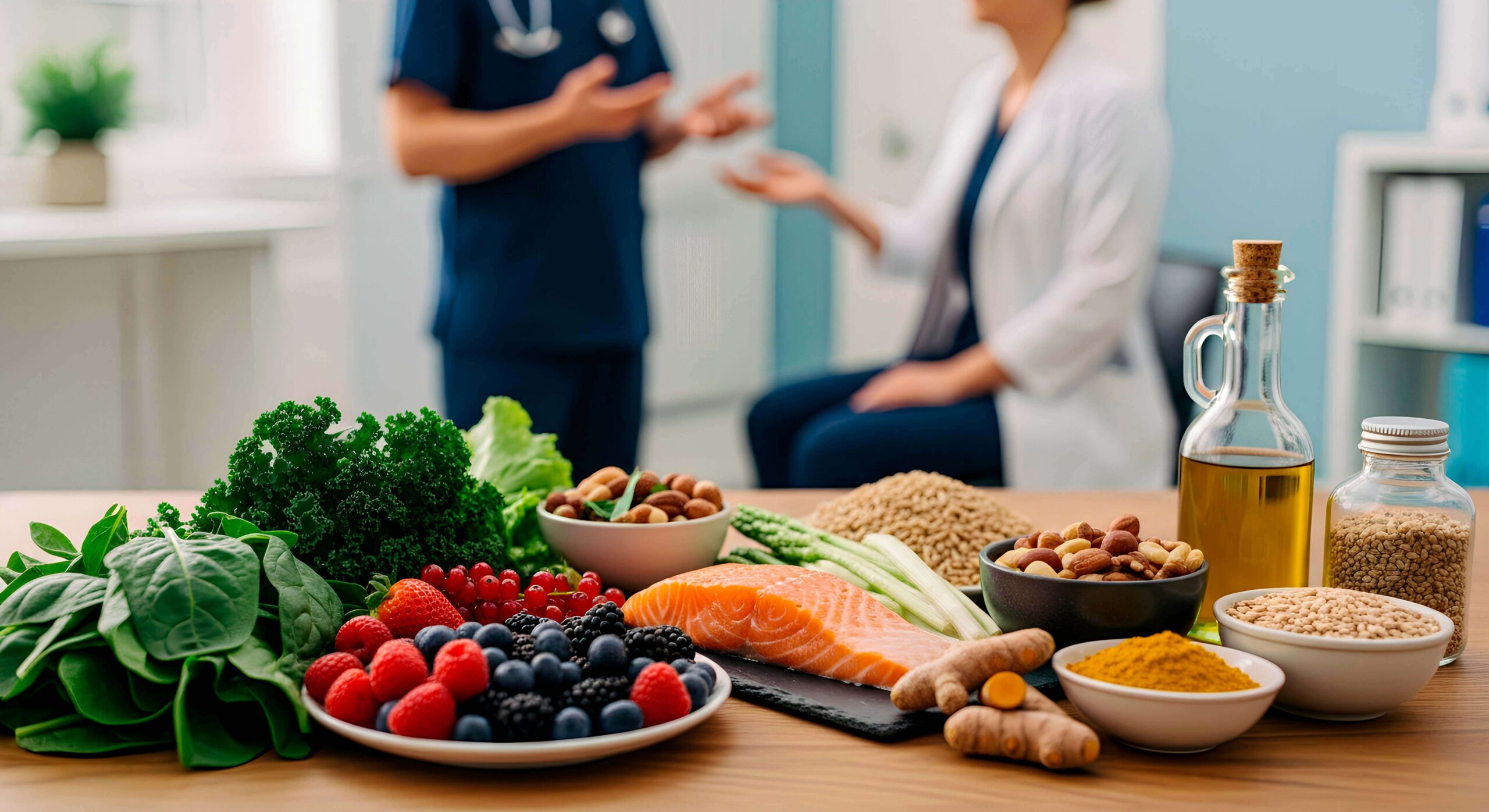
Pain management is often thought of in terms of medications, procedures, and physical therapy—but what we eat can also play a meaningful role in how the body experiences pain. Emerging research continues to show that certain foods can either fuel inflammation and discomfort or help calm the body’s pain response.
While nutrition alone is not a cure for chronic pain, making thoughtful dietary choices can be a powerful complement to a comprehensive pain management plan.
Pain and Inflammation: The Food Connection
Many chronic pain conditions—such as arthritis, back pain, tendon injuries, migraines, and fibromyalgia—are influenced by inflammation. Certain foods promote inflammatory pathways in the body, while others help reduce inflammation and support healing.
Over time, dietary patterns can either amplify pain signals or help quiet them.
Foods That May Worsen Pain
Some commonly consumed foods have been linked to increased inflammation and pain sensitivity, especially when eaten frequently:
Processed and Refined Foods
Highly processed foods, including packaged snacks, fast food, and refined carbohydrates, often contain additives and unhealthy fats that may promote inflammation.
Added Sugars
Excess sugar intake can trigger inflammatory responses and may worsen joint pain, nerve pain, and overall discomfort.
Trans Fats and Excess Saturated Fats
Found in fried foods, baked goods, and some processed meats, these fats have been associated with increased inflammatory markers.
Alcohol
Alcohol can increase inflammation, disrupt sleep, and interfere with tissue healing—factors that may worsen chronic pain conditions.
For some individuals, specific foods such as dairy or gluten may also contribute to symptoms, though sensitivities vary widely from person to person.
Foods That May Help Reduce Pain
On the other hand, many foods support the body’s natural anti-inflammatory and healing processes:
Fruits and Vegetables
Colorful fruits and vegetables are rich in antioxidants, vitamins, and phytonutrients that help combat inflammation and oxidative stress.
Healthy Fats
Foods rich in omega-3 fatty acids—such as fatty fish, walnuts, chia seeds, and flaxseed—have been shown to help reduce inflammation and may support joint and nerve health.
Lean Proteins
Adequate protein intake supports muscle repair, tissue healing, and recovery—especially important for patients undergoing physical therapy or regenerative treatments.
Whole Grains and Fiber-Rich Foods
Whole grains, legumes, and fiber help regulate blood sugar and support gut health, which plays a growing role in immune and inflammatory balance.
Spices and Herbs
Certain spices, such as turmeric and ginger, contain natural compounds that may help modulate inflammation and support pain relief when used consistently.
Gut Health and Pain Sensitivity
The gut microbiome—home to trillions of bacteria—plays a critical role in inflammation and immune function. Diets rich in fiber, fermented foods, and whole ingredients help support a healthy gut, which may influence pain perception and systemic inflammation.
Disruptions in gut health have been linked to increased pain sensitivity and chronic inflammatory conditions.
Nutrition as Part of a Multimodal Pain Plan
It’s important to note that dietary changes are not a replacement for medical treatment, interventional procedures, or physical therapy. However, nutrition can enhance the effectiveness of these treatments and support long-term outcomes.
For many patients, even modest dietary improvements can lead to:
- Reduced inflammation
- Improved energy and recovery
- Better sleep quality
- Enhanced overall well-being
Small Changes, Meaningful Impact
Pain management doesn’t always require dramatic lifestyle overhauls. Simple steps—such as increasing whole foods, reducing processed items, staying hydrated, and maintaining balanced meals—can make a meaningful difference over time.
The Bottom Line
Food is more than fuel—it’s information for the body. Choosing foods that support healing and reduce inflammation can be an important part of managing chronic pain and improving quality of life. When combined with individualized medical care, nutrition becomes another valuable tool in the journey toward better pain control and function.
If you’re interested in learning how lifestyle factors like nutrition fit into your personalized pain management plan, our team is happy to guide you.